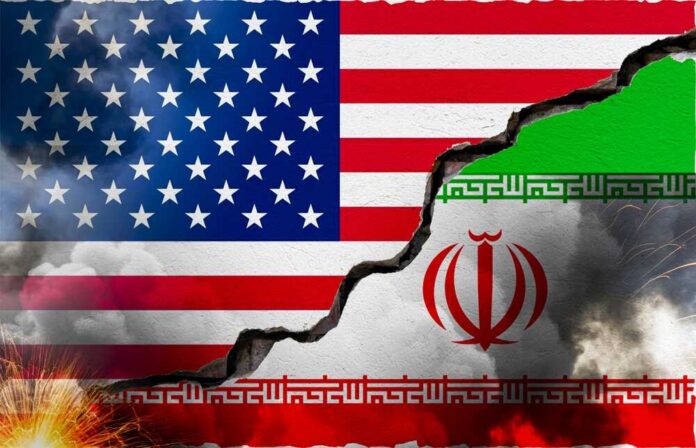
President Trump vowed an “Economic D-Day” against Iran and warned that any country bankrolling Tehran will face “tremendous” costs, marking a hard pivot to all-out financial pressure backed by new sanctions and a maritime squeeze.
Story Highlights
- Trump shifted from new strikes to maximum economic pressure on Iran.
- Treasury signaled unprecedented sanctions hitting finance, oil, and digital assets.
- A blockade and sanctions aim to choke Iran’s exports and cash flows.
- Trump warned Iran’s backers they could face severe penalties next.
Trump Centers Strategy on Financial Squeeze, Not New Strikes
President Trump said the United States is “low-keying it” militarily and letting economic pain build inside Iran. He stated that Tehran is facing high inflation and lacks money, and that Washington will keep tightening the screws rather than launch fresh strikes right now.
This shift follows months of conflict and signals a clear plan: deny the regime cash, isolate its networks, and force choices at the top. Trump framed the effort as measured but firm, with pressure rising week by week.
Treasury officials backed that stance with action. The department previewed measures “never seen” before, with new penalties expected to land across oil sales, shipping, finance, and any channels Iran uses to move money.
The State Department announced sanctions on digital asset exchanges and enablers that the regime used to skirt rules, a sign that enforcement is targeting old routes and new workarounds alike. The goal is simple: starve Iran’s war machine without expanding the battlefield.
Sanctions, Blockade, and the Oil Lifeline
Reports describe a tightening naval posture designed to stifle Iranian oil exports. Coverage from major financial outlets said the White House is leaning on a maritime squeeze to hit the regime where it hurts most: oil revenue.
That approach builds on years of measures that once reimposed broad penalties after the nuclear deal era and pledged aggressive enforcement to cut off regime funding streams. The combined effect aims to jam exports, limit insurance, and raise the cost of every shipment.
Trump added that Iran’s economy is brittle and that Washington can keep it that way by closing the money taps. He described two paths for Tehran: keep bleeding financially or face a harder hit if it chooses more aggression.
That message also went to outside patrons. Countries that buy Iranian oil, process payments, or enable trade were warned of “tremendous” consequences, with Treasury signaling that banks, refineries, insurers, and shippers could be next in line for penalties if they help Tehran dodge the squeeze.
Why Economic Power Fits Conservative Principles
Using finance instead of immediate force protects American troops, uses leverage, and demands results. Sanctions cost less than war and keep options open if Iran escalates.
They also respect the constitutional duty to defend the nation without handing power to global bodies that often undercut U.S. interests. The Department of the Treasury’s record shows this tool has deep roots in American policy toward Iran dating back decades, with modern campaigns refined to track money in real time.
History shows sanctions can slam an economy but may not always force political change. Studies and policy reviews note clear economic damage in Iran, yet mixed success on behavior shifts.
That is why the current push pairs financial pain with maritime pressure and sharper enforcement against digital and shadow systems. The design tries to fix past gaps: hit oil, hit shipping, hit finance, and keep closing loopholes so the regime cannot simply wait it out or route money through new middlemen.
What to Watch Next: Enforcement, Partners, and Energy Markets
The next test is enforcement speed. Treasury promised swift action, which means watch lists for ships, re-flagging tricks, and banks moving Iranian-linked dollars should grow quickly.
The State Department’s sanctions on digital asset hubs point to tighter screening across crypto rails as well. Allies and regional partners will face a choice: help seal the net or risk penalties. Strong follow-through could deepen Iran’s cash crunch and reduce funds for proxy forces.
Trump announces Economic D-Day against Iran, targeting oil, trade, shipping & financial networks.
Secondary sanctions could raise global pressure.
📊 Potential impact: Oil ↑ | Gold ↑ | USD ↑ | Risk Sentiment ↓ Key risk: supply disruptions or wider escalation.#trump pic.twitter.com/LotAMZAfav
— Carlos And Company (@carlosandcompny) August 20, 2026
Energy markets will also react. If exports fall, prices can move. Trump argued that a deal from Tehran could send oil prices down fast, but traders will judge flows and risk day by day.
The administration is betting that persistent pressure, paired with a path to relief if Iran changes course, will shift the calculus in Tehran. For Americans tired of endless wars, a financial offensive that hits the regime and spares our troops reflects a hard line rooted in strength and common sense.
Sources:
aljazeera.com, cnbc.com, reuters.com, fortune.com, npr.org, finance.yahoo.com, state.gov, bloomberg.com, wsj.com