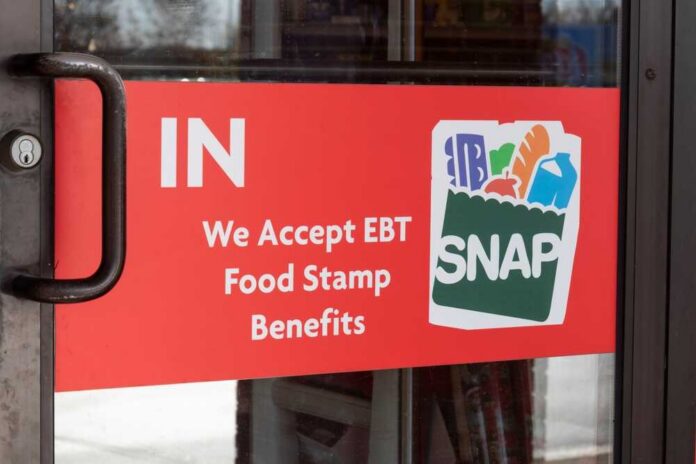
Four additional states are implementing unprecedented restrictions on what struggling American families can purchase with food stamps this April, expanding a national wave of government control over grocery choices that is raising serious questions about individual liberty and the proper role of the state in dictating personal decisions.
Story Snapshot
- Florida, Texas, and two other states join in April 2026 to ban soda, candy, energy drinks, and prepared desserts from SNAP purchases
- Follows January rollout in five states; up to 18 states expected to impose restrictions by year-end 2026
- Over 42 million SNAP recipients nationwide face reduced purchasing freedom as states claim health benefits justify government micromanagement
- Retailers scramble to update systems while facing potential billion-dollar revenue losses from restricted items
April Expansion Marks Acceleration of Federal-State Control Program
Florida implements its junk food ban on April 20, prohibiting SNAP purchases of soda, energy drinks, candy, and prepared desserts. Texas follows on April 1 with restrictions targeting sweetened beverages and candy, according to retailer compliance guides.
These states join five others that launched restrictions on January 1, 2026—Indiana, Iowa, Nebraska, Utah, and West Virginia. Additional states, including Idaho, Oklahoma, Louisiana, and Colorado, rolled out bans in February and March, creating a patchwork of varying rules that complicate compliance for both recipients and retailers across state lines.
The movement to ban SNAP recipients from buying soda, candy and energy drinks with their benefits is growing.https://t.co/RD3gz0My8q pic.twitter.com/VQhpsrB7CW
— WOWK 13 News (@WOWK13News) March 29, 2026
USDA Waiver Program Dismantles Decades of Uniform Federal Standards
The restrictions stem from USDA-approved state waivers authorized under post-2025 farm bill changes, reversing nearly five decades of federal SNAP policy that maximized recipient choice in food purchases.
Since the 1970s, the program allowed broad food purchases to respect individual decision-making, but state agencies now cite rising obesity rates—currently 42 percent among adults—and the program’s $150 billion annual cost to justify micromanaging grocery carts.
Each state’s waiver varies significantly; Iowa bans all taxable foods under SNAP, while others narrowly target specific categories like soda, which accounts for roughly 50 percent of SNAP beverage purchases in some jurisdictions.
Economic Impact Hits Retailers and Low-Income Communities Hardest
Grocery chains face immediate compliance burdens, updating point-of-sale systems to flag restricted items while absorbing projected five to ten percent short-term sales drops in affected categories. Long-term projections estimate a 20 percent nationwide decline in SNAP purchases of soda and candy, translating to over $1 billion in lost revenue for retailers in ban states.
The restrictions disproportionately affect rural and Southern communities where SNAP usage concentrates, and food deserts—already lacking fresh produce options—may see worsened access as stores reduce inventory of now-banned items.
Critics warn that administrative costs and potential black markets undermine stated health goals while punishing families already facing inflation and limited choices.
State-by-State Rollout Raises Questions About Federalism and Personal Freedom
The phased implementation continues beyond April, with Arkansas restricting purchases on July 1 and Hawaii following on August 1, bringing the total to 18 states by fall 2026, according to projections. Red-leaning states lead adoptions, fueling broader welfare reform debates and highlighting tensions between state autonomy and federal uniformity.
While health advocates cite the elimination of “products with no nutrition,” the policy fundamentally shifts power from individuals to government bureaucrats, determining appropriate grocery choices.
For MAGA-supporting Americans already frustrated by government overreach, energy costs, and broken promises to avoid foreign entanglements, these restrictions represent another instance of Washington and state capitals dictating personal decisions under the guise of public good, eroding the foundational principle that free citizens make their own choices.
4 more states will add restrictions on SNAP purchases in Aprilhttps://t.co/vqDqOP1zgh
— The Hill (@thehill) March 29, 2026
Beverage and snack manufacturers lobby against expanding bans while healthy food sectors anticipate sales boosts, yet no long-term data validates whether restricting SNAP purchases actually improves health outcomes or simply stigmatizes low-income families.
Retailer compliance guides emphasize immediate preparation requirements, with some analysts noting Iowa’s strictest approach creates the heaviest burden.
The program sets precedent for further SNAP modifications, potentially opening the door to even broader government control over what Americans eat, regardless of income level, raising constitutional concerns about personal liberty and limited government that resonate deeply with conservative principles of self-determination and freedom from bureaucratic meddling.
Sources:
USDA Food and Nutrition Service – SNAP Food Restriction Waivers
NRS Plus – SNAP Ban Retailer Guide