
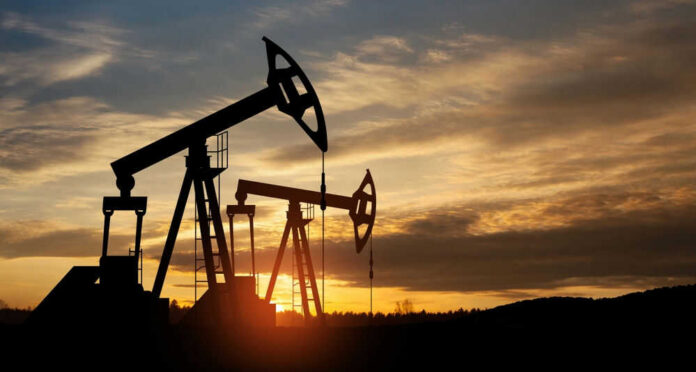
The real fight over your gas bill is not at the pump, but in a quiet war between federal regulators, oil giants, and state prosecutors over whether today’s high prices are honest market pain or an organized squeeze on American drivers.
Story Snapshot
- Federal antitrust regulators say they are now closely watching U.S. oil markets for price-fixing and monopoly behavior.
- The Department of Justice (DOJ) is urging state attorneys general to dig into oil pricing, price gouging, and possible fraud.
- Democratic senators point to Federal Trade Commission (FTC) evidence that one major oil executive colluded with OPEC to raise prices.
- Oil companies blame global shocks and Iran-related supply issues, while lawsuits and regulators argue some prices were kept high on purpose.
Federal Regulators Put Oil Markets Under A Microscope
U.S. antitrust regulators have moved oil prices from the business page to the enforcement radar. In a joint letter, the Department of Justice and the Federal Trade Commission said they are closely monitoring oil markets for possible price-fixing or market monopolization, and urged state attorneys general to help investigate unlawful conduct that harms consumers.
They warned that recent volatility in crude oil prices does not suspend antitrust or consumer protection laws and does not authorize companies to manipulate retail prices or collude with competitors.
U.S. antitrust regulators said Friday they are closely monitoring oil markets for potential price-fixing or market monopolization, and they urged state attorneys general to assist in investigating unlawful conduct. https://t.co/Pz6Rkfwf5g
— CBS News (@CBSNews) July 3, 2026
The same letter reminded states that while federal agencies do not directly enforce price-gouging laws, many states do, especially during emergencies or market disruptions. That invitation matters. It signals that Washington wants a nationwide enforcement web, not just a few headline investigations.
For a driver watching the price board jump and fall, this means your state attorney general may soon see that pump as a crime scene, not just a market indicator.
Why DOJ Is Pushing States To Go After Oil Pricing
Federal officials are not acting in a vacuum. Over the last two years, Democratic lawmakers have pressed the DOJ to take a harder look at oil prices.
A Senate letter in 2024 cited Federal Trade Commission findings that Scott Sheffield, the former chief executive of Pioneer Natural Resources, colluded with the Organization of the Petroleum Exporting Countries to reduce oil and gas output, raising pump prices to inflate company profits.
That same letter argued this collusion may have cost the average American household up to $500 per car per year in higher fuel costs.
Other members of Congress, including Senator Amy Klobuchar, have called for a broad investigation into possible violations of the Sherman Act across the oil industry, linking slower U.S. production growth and higher crude and gasoline prices to potential collusive behavior. From a common-sense view, this is where the alarm should ring.
Free markets only work when competitors set prices independently. If executives sit in rooms, real or virtual, and agree to restrict output or keep prices high, that is not capitalism. That is cartel behavior wearing a business suit.
What Counts As Price-Fixing Versus Tough Competition
The legal line regulators are watching is not vague. The Federal Trade Commission describes price-fixing as any agreement among competitors to raise, lower, or stabilize prices or other key terms of trade. Under U.S. antitrust law, such agreements are per se illegal; the government does not need to prove they hurt consumers because harm is assumed.
Courts can impose heavy fines on corporations and prison time on individuals when collusion is proven, and the FTC can also pursue civil penalties and orders to stop illegal practices.
Most oil executives know this, so if collusion exists, it usually hides in coded language, private meetings, or new tools. Recent lawsuits claim that some companies used artificial intelligence pricing software to track rivals and effectively coordinate retail fuel prices instead of competing. If those claims hold up, they strike at the core of the free-market promise.
Technology that should lower costs and improve efficiency would instead become a digital cartel engine. From an American standpoint, that is exactly the kind of behavior that justifies strong but targeted enforcement: punish cheating, not profit.
Oil Companies Point To Global Shocks, Not Secret Cartels
Oil companies and many market analysts argue that high prices are not a scheme, but a reaction to real-world shocks.
Research from the Federal Reserve Bank of Boston shows that the effective closure of the Strait of Hormuz during conflict triggered a sharp rise in global crude prices, with West Texas Intermediate jumping from about $65 per barrel in February to almost $100 in May, a 54 percent increase. That kind of shock alone can raise pump prices without any need for collusion.
This view fits classic supply and demand logic. When a key shipping route is blocked or war threatens energy flows, traders bid up crude. Refineries pay more, retailers pay more, and drivers feel the hit.
A Reuters explainer even notes that while private producers cannot legally meet to raise prices, government actions to cut production under a state policy may not face the same antitrust limits. Industry supporters lean on these points to claim regulators are chasing politics, not proof.
The Tug Of War Between Evidence, Lawsuits, And Everyday Reality
The real picture is messier than any slogan. On one side, consumer and city lawsuits accuse U.S. shale producers of coordinating with OPEC to suppress production and keep fuel prices high, pointing to patterns in output and pricing that, they argue, do not match a competitive market.
On another front, California and other states have already settled some fuel trading and price manipulation claims for tens of millions of dollars, showing that at least some bad behavior has been serious enough to pay out.
On the other side, history shows many oil price-fixing cases fail in court because proving a secret agreement is hard. A federal appeals court in 2019 upheld dismissal of antitrust claims against several oil companies, in part because the plaintiffs could not show proper antitrust injury and much of the alleged misconduct happened in foreign markets beyond U.S. law.
For citizens who believe in limited government and strong property rights, this tension matters. Regulators absolutely should punish true cheating. But they must also respect the difference between ugly market swings and actual illegal collusion.
Sources:
facebook.com, linkedin.com, ftc.gov, oilprice.com, taylormartino.com, courthousenews.com, legalexaminer.com, democrats.senate.gov, lit-antitrust.aoshearman.com, sjvsun.com, bostonfed.org