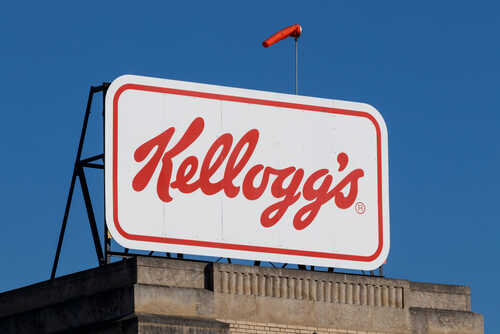
For the first time in U.S. food history, a major company promises to transform what millions pour into their cereal bowls.
So, if you think food labels don’t matter, Kellogg’s just proved otherwise.
Story Snapshot
- Kellogg’s signs a landmark legal agreement to remove artificial dyes from U.S. cereals by 2027.
- Texas Attorney General Ken Paxton’s investigation exposes ingredient discrepancies between U.S. and overseas products.
- The move sets a regulatory precedent with potential ripple effects across the entire food industry.
- Consumer health, corporate accountability, and regulatory enforcement converge in a high-stakes showdown.
Kellogg’s Legal Commitment: The End of Artificial Dyes in American Cereals
Today marks a turning point for breakfast tables across America. In a legally binding Assurance of Voluntary Compliance, Kellogg’s agreed to permanently eliminate artificial, petroleum-based food dyes from its U.S. cereals by the end of 2027.
The deal, brokered by Texas Attorney General Ken Paxton, is both a first for the U.S. food industry and a direct response to allegations that Kellogg’s sold dye-free cereals in Canada and Europe while American products remained brightly and artificially colored.
The agreement follows months of civil investigation, public advocacy, and mounting scientific evidence tying synthetic dyes to potential health risks, especially in children.
"A HUGE WIN": Kellogg's becomes first company to sign legally binding agreement removing toxic dyes from cereals pic.twitter.com/f08svEZa7Q
— FOX & Friends (@foxandfriends) August 14, 2025
Pressure from consumer groups, parents, and public health advocates steadily built after reports highlighted how U.S. versions of kid-favorite cereals like Froot Loops and Apple Jacks contained dyes banned or restricted overseas.
For years, artificial colors such as Red 40, Yellow 5, and Blue 1 have been linked to concerns ranging from hyperactivity and endocrine disruption to increased cancer risk.
Yet, without federal mandates, American food giants largely continued business as usual—until Paxton’s office issued a Civil Investigative Demand in February 2025, escalating to a formal investigation in April and culminating in this unprecedented legal pact by summer’s end.
The Texas Catalyst: How One State Set a National Precedent
Texas’s assertive intervention didn’t happen in a vacuum. The investigation’s focus on ingredient transparency and consumer protection quickly made national headlines, fueled by Paxton’s public statements calling out Kellogg’s for “unhealthy ingredients” and “broken health systems.”
While voluntary reformulation has become common among some brands, no U.S. food manufacturer had ever faced a legally binding requirement to eliminate artificial dyes—until now.
Paxton’s office leveraged its legal authority and the mounting public pressure to extract not just a promise, but an enforceable contract. The Texas blueprint could soon serve as a model for other states or even federal regulators to follow, raising the bar for the entire sector.
In the short term, Kellogg’s now faces the logistical gauntlet of reformulating products, updating supply chains, and overhauling marketing strategies for everything from Frosted Flakes to Corn Pops.
The company’s willingness to capitulate under regulatory scrutiny signals a broader shift: what happens in one state can ripple through corporate boardrooms nationwide.
The industry’s competitors are now put on notice, as Paxton openly called for similar agreements with other manufacturers, hinting at a domino effect that could reshape the American processed food landscape.
Health, Industry, and the Power of Corporate Accountability
For consumers—especially parents wary of what’s in their pantry—this agreement offers more than just a promise of cleaner labels. It represents a victory for advocacy-driven public health, as well as a rare instance of swift regulatory action forcing a multibillion-dollar company’s hand.
Food safety experts and public health researchers have long warned about artificial dyes’ potential links to adverse health outcomes, particularly in children who consume them daily through colorful cereals and snacks.
The U.S. food industry, traditionally slow to adopt European-style ingredient reforms, now faces tangible legal and reputational risks if it resists the tide.
Kellogg’s becomes first company to sign legally binding agreement removing toxic dyes from cereals https://t.co/4cf7kxVEln pic.twitter.com/Jfb3NnY3Wf
— NY Post Business (@nypostbiz) August 14, 2025
Industry analysts predict Kellogg’s deal will not only boost consumer confidence in food safety but could also push other manufacturers to reformulate before legal actions arrive at their doorstep.
Reformulation is costly and complex, but the alternative—regulatory fines, lost market trust, and negative headlines—may prove even more expensive.
The social impact extends beyond ingredient lists: the agreement emboldens consumer advocacy movements and demonstrates the power of state-level enforcement to protect public health where federal inertia persists.
What Comes Next: Monitoring, Accountability, and an Industry on Notice
The ink is barely dry on Kellogg’s Assurance of Voluntary Compliance, but the ramifications are already reverberating. Implementation will be closely monitored by both regulatory authorities and advocacy groups, with further legal action possible against companies that fail to follow suit.
Kellogg’s must remove all artificial dyes by the end of 2027, a timeline that will test its supply chain resilience and product innovation.
The legal precedent set in Texas could encourage a wave of similar agreements nationwide, eventually pressuring federal agencies to revisit outdated food additive regulations.
Consumers, meanwhile, are likely to see more changes on supermarket shelves, as brands scramble to keep pace with the new gold standard for ingredient safety.
For families and health-conscious shoppers, the story is a reminder that vigilance and advocacy can drive real, enforceable change—even in industries where inertia once seemed insurmountable.
As the countdown to 2027 begins, Kellogg’s legal leap may well be remembered as the moment breakfast got a little safer, and American food regulation got a little stronger.
Sources:
Consumer Affairs: Texas stares down Kellogg’s, which agrees to remove toxic dyes from its cereals
Texas Attorney General’s Office