Nearly one million bottles of heart and kidney drugs were pulled because specks appeared on tablet coatings—but officials say the health risk is low.
Story Snapshot
- Amgen recalled 944,142 bottles of Corlanor and Sensipar nationwide.
- Foreign matter was seen on tablet surfaces, not inside the pills.
- Regulators labeled this a Class II recall, meaning low serious risk.
- No injuries or illnesses have been reported so far.
What happened and why it matters to patients
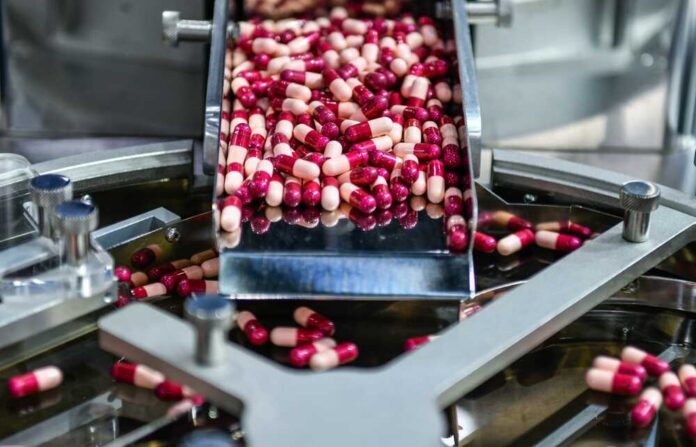
Amgen voluntarily recalled 944,142 bottles of two common drugs: Corlanor for certain heart conditions and Sensipar for patients with kidney issues. The recall covers products sold from late 2021 through 2025.
Inspectors found foreign matter on the tablets’ coating in a reserve sample from one lot. The company then widened the recall to all lots packaged in the same building as a precaution. Regulators reported no patient harm and no confirmed complaints to date [2].
Nearly 1 million bottles of heart and kidney medication recalled over foreign substance found on tablets https://t.co/jbYph6PBN6
— FOX Business (@FoxBusiness) June 28, 2026
Officials said the material sat on the outside of the pills. It was not inside the core of the tablets. That detail matters because surface particles often pose less risk than embedded contaminants that a patient might swallow without notice.
The California State Board of Pharmacy relayed that hazard assessments showed low clinical risk. The United States Food and Drug Administration classified the action as Class II, which signals a remote chance of serious harm and the possibility of temporary or reversible effects [2].
Why a single sample triggered a sweeping recall
Quality leaders often pull far more than one lot when they cannot rule out a shared source. The flagged sample came from a lot tied to a specific packaging area.
So Amgen included every lot within expiry that moved through that same area. That decision fits standard recall playbooks that value caution over guesswork.
Critics point to gaps. Public notices did not name the substance or its source. They also mention separate reports of deviations from Current Good Manufacturing Practice, which may indicate broader control issues.
Amgen has not posted a full root cause report or a corrective action checklist for that building. Those missing details leave room for doubt. But the evidence still shows no illnesses, and regulators did not raise the risk beyond Class II in their alerts [2].
How this recall fits the bigger drug-safety picture
Most drug recalls land in Class II. The Food and Drug Administration explains that these events often involve low or reversible risk. The agency also notes that recalls are usually voluntary and guided by a set plan the company submits for oversight.
In recent years, the largest share of recalls was due to manufacturing quality issues. Foreign particles, microbial contamination, and product mix-ups have led that list across many drug types, including heart medicines [17].
Patients see the headline and fear the worst. The better lens is process control, not panic. Systems catch defects so people do not have to. When a company flags an issue early and pulls stock fast, that action protects patients and keeps trust. That does not excuse silence.
Companies should share what the substance was, what failed, and what changed. That clarity helps doctors advise patients and cuts rumor churn online, where alarm often drowns out context [14].
What to do if you use Corlanor or Sensipar
Check the bottle and the lot number against your pharmacy’s recall notice. Call your pharmacist if you are unsure; they can verify if your bottle is part of the recall and arrange a return or replacement if needed. Do not stop a heart or kidney drug without a doctor’s guidance.
The known risk from skipping therapy can be higher than the low risk flagged here. Ask your doctor for alternatives if a shortage touches your refill window [6].
Expect two tracks next. First, more detail. Patients deserve a plain answer on what the foreign matter was and how it got on the pills. Second, proof of fixes. A signed corrective plan, tighter cleaning rules, and fresh audits can close the loop.
Regulators should press for that, and Amgen should publish it. That mix—swift recall, clear facts, verified fixes—reflects sound stewardship and the no-drama discipline people want in their medicine makers [2].
Sources:
[2] Web – Amgen recalls 944,142 bottles of Corlanor and Sensipar … – BingX
[6] Web – Inventia Healthcare recalls blood pressure medication. How to …
[14] YouTube – Understanding Drug Recalls with Dr. Ileana Elder
[17] Web – Recalls Background and Definitions – FDA