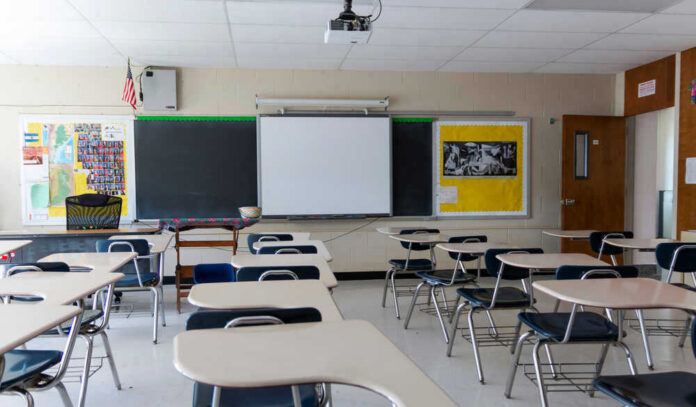
Pepper-spraying drones are moving from a grim idea on paper to real school campuses, and that is what makes this story unsettling and important.
Quick Take
- At least nine schools in Florida, Georgia, and Colorado are set to use Campus Guardian Angel drones this year.
- The drones are meant to launch fast, reach a shooter in about 15 seconds, and distract or disable the attacker.
- The system uses sirens, strobe lights, pepper gel, speakers, and, if needed, a hard impact strike.
- The rollout is based on drills, vendor claims, and state-backed pilots, not on real school shooting results.
How the Drone Plan Works
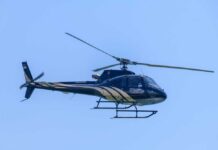
The drones come from Austin-based Mithril Defense and are part of its Campus Guardian Angel program. Schools store them in wall-mounted boxes or charging stations, and teachers or staff can activate them with a panic button or app. Once launched, remote human pilots in Texas take over, track the suspected shooter, and guide the aircraft through the building.
Schools Are Adding Pepper-Spraying Drones to Help Combat Active Shooters, With Plastic, Non-Lethal Aircraft That Can Smash Windows and Ram Attackers Set to Be at the Ready at Certain Schools in Colorado, Florida, and Georgia 🚁🏫 pic.twitter.com/7MdYsDOFyb
— Raphousetv (RHTV) (@raphousetv2) July 29, 2026
The company says the goal is to buy time in the first minute of an attack, when every second matters most. Reporting says the drones can reach a target in about 15 seconds, with a launch target of five seconds and a response goal of 60 seconds to incapacitate or disrupt the attacker. The drones are designed to use noise, bright light, pepper gel, and, if needed, ramming force.
Where Schools Are Testing Them
Reporting says schools in Florida, Georgia, and Colorado are leading the rollout, with at least nine campuses included so far. Georgia schools will test the system across five campuses this fall, and reporters say the program there carries a half-million-dollar price tag.
Other reports describe the schools as the first wave of a broader effort to place the devices in districts that want a fast response layer before police reach the building.
The pitch is simple enough to understand. If a shooting starts, the drone should get there before officers can. That is the whole logic of the system, and it is why the company stresses speed, remote piloting, and layered disruption rather than one single tactic. The aircraft are described as able to flash strobes, blast sirens, spray pepper gel, and, as a last resort, slam into a threat.
The Promise and the Problem
The strongest case for the drones is also the most limited. They have been tested in drills and simulations, but the public record does not show them used in an actual school shooting.
That means the central claim is still a claim: that a drone can cut into the chaos fast enough to reduce harm before law enforcement arrives. One report also says there is no empirical data showing the drones beat standard measures such as locked doors and training.
At least nine U.S. schools in Florida, Georgia and Colorado are being equipped with pepper-gel spraying drones from Austin, Texas-based Mithril Defense to help distract active shooters until police arrive.
— NTC Report (@NTC_Report) July 29, 2026
That gap matters because school shootings are messy, fast, and dangerous in ways a showroom demo cannot fully capture. Reports already point to concerns about misidentification and the use of pepper spray in tight hallways.
The system also depends on human confirmation before force is used, which adds a decision point that could slow the response in a real crisis. Supporters see judgment as a safeguard. Critics see delay.
Why This Story Hits a Nerve
This is not just about drones. It is about the larger American habit of reaching for visible security technology when fear spikes, even before the evidence is complete.
In that sense, the program fits a familiar pattern: schools want something that looks ready, feels modern, and promises action when lives are on the line. The instinct here is hard to miss. Protect the children first, test the tools honestly, and do not pretend hope counts as a plan.
The political force of the story comes from that tension. Supporters see a practical answer in a system built to confuse and slow a killer. Critics hear militarization and ask whether schools are becoming testing grounds for a vendor’s sales pitch.
Both reactions have weight, but the public evidence still centers on a narrow fact: several states are now putting these drones into schools, and they are doing it before the country has real-world proof that they work.
Sources:
cbsnews.com, washingtonpost.com, theguardian.com, youtube.com, yahoo.com, cleveland.com, aol.com, washingtontimes.com, independent.co.uk, dronelife.com