China ordered Tesla to recall about 2.98 million cars because people might not find the manual door release after a crash.
Story Snapshot
- Regulators flagged hard-to-spot emergency door releases after power loss in severe crashes.
- Tesla will add warning labels and push a software update to lower windows after a crash.
- The action covers Model 3, Model Y, Model S, and Model X, imported and China-made.
- China will ban hidden door handles from 2027, raising the bar for clear mechanical backups.
China’s Recall Targets Emergency Egress, Not Style Points
China’s State Administration for Market Regulation said emergency mechanical door releases in nearly 3 million Tesla vehicles can be hard to identify after a severe collision that knocks out low-voltage power.
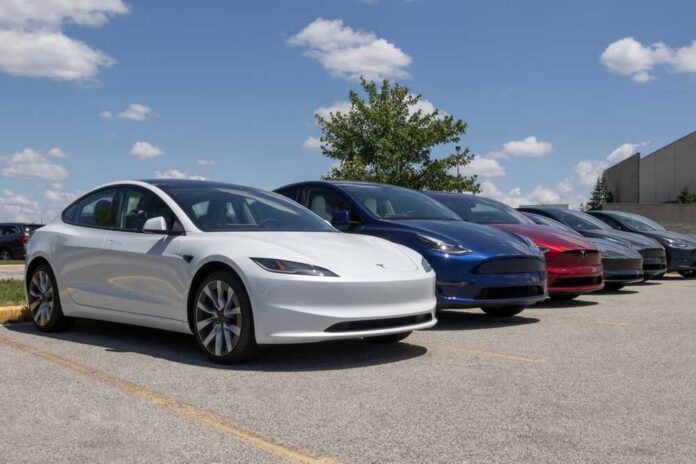
The recall covers Model 3, Model Y, Model S, and Model X across imported and locally built cars. Regulators focused on a simple but vital task: can a person inside or a rescuer outside open the door quickly when the electronics fail?
Tesla told regulators it will add clear warning labels at the release points and provide the fix for free. The company also plans an over-the-air update to drop the windows after the car detects a crash.
That aims to reduce seal pressure and make doors easier to open when power is out. Tesla’s recall notice framed the risk plainly: low-voltage failure can follow a severe crash, and any delay in opening doors can block escape or rescue and raise danger.
Scope, Timing, and What Owners Should Expect
The recall spans about 2.98 million vehicles in China and is Tesla’s largest action there to date. It applies to both China-made and imported units across the four main models.
The plan sits inside China’s formal defect recall process, which requires a documented remedy and rollout. Owners should see software delivered over the air and be contacted to receive new labels that point clearly to the manual releases.
The remedy centers on human factors and interface clarity rather than swapping hardware. The label plan addresses discoverability under stress, and the software tweak aims to reduce door-sealing loads immediately after an impact.
This keeps cars on the road while tackling the core egress problem regulators flagged. Some will ask why not replace parts. The regulator-approved plan targets the moment of need: quick, unmistakable access to a mechanical fallback when the cabin is dark, smoky, or flooded.
The Bigger Shift: From Sleek Designs To Obvious Exits
The recall lands as China moves to ban hidden door handles in 2027. That policy pushes automakers toward visible, intuitive hardware that works when power fails.
The trend shows regulators now treat emergency egress as a first-order design goal, not an optional extra. Reuters reported the China action as part of a broader recall wave tied to emergency door access across brands, underscoring a market-wide reset in design priorities.
Tesla is recalling around 2.98 million vehicles in China over concerns that hidden door handles could make emergency escapes and rescue efforts more difficult. The recall covers several Model 3, Model Y, Model S and Model X vehicles.
Read the full story:https://t.co/Im6HEtLRFS pic.twitter.com/ArhEDSmubM— WE News English (@WENewsEnglish) August 24, 2026
American readers can see echoes at home. Federal safety officials opened a defect petition on Tesla Model 3 emergency releases, testing whether labeling and access meet clear standards in urgent situations. The thread is the same on both sides of the Pacific: when seconds count, the handle must be obvious, labeled, and ready.
Why Labels And Software Matter In A Crash
Crash scenes are loud, smoky, and confusing. Power may be out. People may panic. Labels turn a hidden lever into a bright target. A small window drop can ease pressure and make a stuck door open with less force.
These fixes may look modest, but they meet the problem where it lives: inside a cabin right after impact. Regulators accepted this plan, and Tesla committed to roll it out at scale across the affected fleet.
What To Watch Next
Owners should confirm software updates and schedule label installation when notified. First responders will likely update training guides to reflect clearer release points.
Designers across the industry will shift toward visible, mechanical backups that anyone can find in the dark. China’s 2027 rule will accelerate that shift. If the recall delivers faster door openings in real crashes, that will be the most important measure of success.
Sources:
foxbusiness.com, forbes.com, cnbc.com, insurancejournal.com, scmp.com