Hours after deadly quakes, Venezuela’s skies became a political gate—shut just as María Corina Machado tried to fly home.
Story Snapshot
- Machado said Venezuela closed commercial airspace, canceling her flight from Panama.
- She linked the closure to her plan to aid earthquake relief and coordination.
- Reports tied the disruption to government action amid airport damage and restrictions.
- U.S. and Dutch involvement claims created cross-border confusion over who blocked what.
What Triggered The Flight Block And Why It Matters
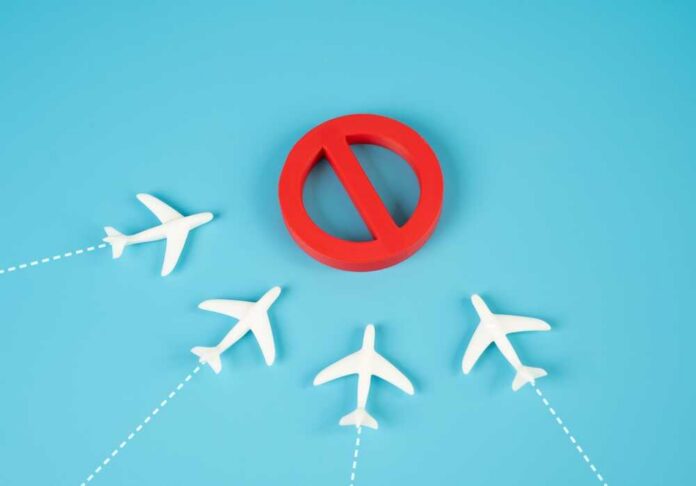
María Corina Machado set out to return to Caracas days after the June 24 earthquakes to help coordinate relief. She was in Panama when her flight to Caracas was canceled. She said Venezuelan authorities closed commercial airspace to stop her entry, leaving her and others grounded. That claim came as the country struggled with damaged airport infrastructure and emergency flight limits. The timing fused disaster management with power politics, and the airport became the choke point.
Contemporaneous reports said the government, not airlines alone, drove the closure. Coverage quoted Machado saying the government in Caracas blocked her arrival and affected other travelers trying to help. She framed the move as broader than her personal case, arguing that volunteers and international rescue teams also faced barriers. This charge raised the stakes beyond one opposition figure to a question of whether relief flights and experts could move as needed.
What The Records And Reports Actually Show
Public reporting documents three pillars. First, a sudden commercial airspace halt coincided with her canceled flight while she was in Panama. Second, media linked the restriction to Venezuelan authorities, not just cautious carriers. Third, airport damage and emergency rules constrained operations, which can justify strict limits but can also be applied unevenly. These facts can all be true at once: safety closures can be real, and they can still be used to decide who flies and who waits.
The core accusation of personal targeting rests largely on Machado’s own statements and secondary reports. There is no released government order naming her. That gap does not erase the disruption she faced, but it narrows how confidently anyone can claim intent. Claims about threats to helpers also lack named officials or documents in the public set. On evidence, the clean line is this: her flight was stopped while commercial airspace was restricted, and she says the regime did it to keep her out.
Competing Explanations And Cross-Border Noise
Some coverage introduced a second thread: confusion over whether the United States or Dutch authorities affected elements of her routing. One outlet described a charter leg turned around after policy clarifications, which muddied the narrative that only Caracas stood in her way. Another report claimed Washington blocked her return and quoted a statement calling new political issues “counterproductive” during relief efforts. These accounts pull attention from Venezuela’s closures and add fog to the timeline.
Sorting these strands requires a tight test. Aviation notices and airport bulletins can show what closed, when, and for whom. Airline dispatch messages can show why carriers canceled. Without those, arguments morph fast. American conservative common sense says two things can be true: emergency rules may be needed for safety, and governments under pressure often shape those rules to manage rivals. The public benefits when officials publish the notices and let the paper trail speak.
What To Watch Next Inside The Relief Window
Machado says she plans to return to help organize relief once routes open. The wider relief effort is moving in stages as airports repair runways and authorities clear lanes for aid flights. Reports mention temporary closures at the main Caracas airport and a runway kept closed through early July, with strict authorization for limited operations. If the government prioritizes transparent criteria for flights as repairs advance, the politics will cool. If not, every canceled boarding pass becomes a proxy battle.
Bottom Line For Readers Who Want The Signal, Not The Noise
One fact anchors the story: Machado tried to fly home after the quakes and could not because commercial airspace closed and her flight was canceled. She says the regime did this to block her and others. Media noted damage and emergency rules that limited traffic at the same time. Claims of U.S. and Dutch roles add confusion but not clarity on intent. Demand the documents, follow the runway reopenings, and judge by who gets wheels up when relief most needs speed.
Sources:
reason.com, english.elpais.com, newscord.org, axios.com