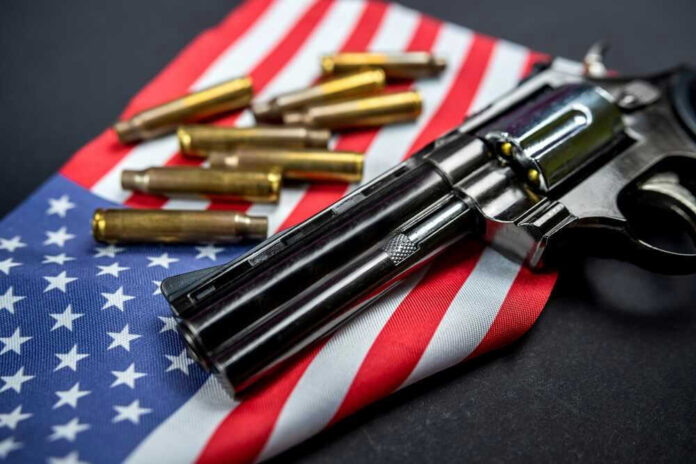
In a stunning and much-needed blow to overreaching government control, the Ninth Circuit Court of Appeals has struck down California’s restrictive background check law for ammunition purchases, ruling that it violates the Second Amendment.
At a Glance
- Ninth Circuit rules California’s ammunition background checks unconstitutional.
- Decision based on Second Amendment protections, as ammunition is essential for firearms.
- Gun rights advocates celebrate a major win, while gun control groups express concern.
- California officials have not yet decided whether to appeal to the Supreme Court.
California’s Ammunition Background Check Law Overturned
The Ninth Circuit Court’s recent decision in the case of Rhode v. Bonta has sent shockwaves through both sides of the gun rights debate. For too long, California’s law mandating background checks for ammunition purchases has burdened law-abiding citizens, infringing on their constitutional rights.
The court’s ruling emphatically states that such regulations violate the Second Amendment, as ammunition is undeniably necessary for the use of firearms. This decision highlights the importance of adhering to the constitutional text and historical context established by the Founding Fathers.
California, with its draconian approach to gun control, has long been a battleground for Second Amendment rights. The state’s background check requirement for ammunition purchases, enacted with the intent of preventing prohibited individuals from acquiring ammunition, faced stiff opposition from gun rights advocates.
These groups argued that the law imposed undue burdens on lawful gun owners, a claim that now finds support in this landmark ruling.
Legal Precedents and Judicial Influence
The legal landscape shifted in 2022 with the Supreme Court’s decision in New York State Rifle & Pistol Association v. Bruen. This case established the “text-and-history” test for assessing Second Amendment cases, requiring that modern regulations align with the nation’s historical practices regarding firearm regulation.
The Ninth Circuit applied this standard in Rhode v. Bonta, concluding that California’s ammunition background check law failed to meet the constitutional test.
Gun rights organizations, including the National Rifle Association (NRA) and the California Rifle and Pistol Association, played crucial roles in challenging this law.
With significant resources and legal expertise, they mounted a successful challenge that has now set a precedent. The decision underscores the judiciary’s responsibility to uphold constitutional protections, even amid heated debates on public safety and gun violence prevention.
Implications for Gun Policy Nationwide
The Ninth Circuit’s ruling temporarily suspends the enforcement of California’s ammunition background checks, allowing citizens to purchase ammunition without this encumbrance.
This decision is not just a victory for gun owners in California but could also ripple across the nation. Other states with similar laws may now face challenges, and this case could influence future gun control legislation and litigation.
The economic impact is immediate, with ammunition retailers experiencing reduced compliance costs and potentially increased sales. However, the social and political ramifications are profound. The ruling reignites the debate over how to balance gun rights with public safety, a contentious topic that may shape upcoming elections and legislative sessions.
Expert Opinions and Future Prospects
Gun rights advocates hail the decision as a restoration of constitutional protections, emphasizing the removal of unnecessary burdens on lawful gun owners. Legal scholars are keenly observing how this ruling, grounded in the Bruen decision’s “text-and-history” test, will continue to reshape Second Amendment jurisprudence.
Critics, including some legal experts and gun control advocates, argue that the absence of background checks could facilitate access to ammunition for prohibited individuals, potentially undermining public safety efforts. Yet, the court’s decision reflects a thorough analysis of historical firearm regulations and constitutional intent.