President Trump wants to suspend the federal gas tax while America fights Iran, a move that could save you pennies per gallon but cost highway projects billions.
Story Snapshot
- Trump proposes suspending the 18-cent federal gas tax temporarily as gasoline prices hit $4.52 per gallon, up 52 percent since the Iran war began
- Congressional Republicans announced legislation within minutes of Trump’s proposal, though the plan requires congressional approval to become law
- Three states have already suspended their own gas taxes, with nine more considering similar action to provide immediate relief at the pump
- The suspension would cost the Highway Trust Fund roughly $2 billion monthly, raising questions about infrastructure funding during an extended conflict
War Prices Drive Emergency Measures
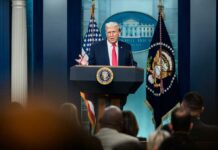
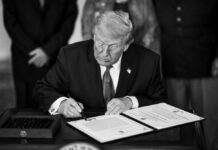
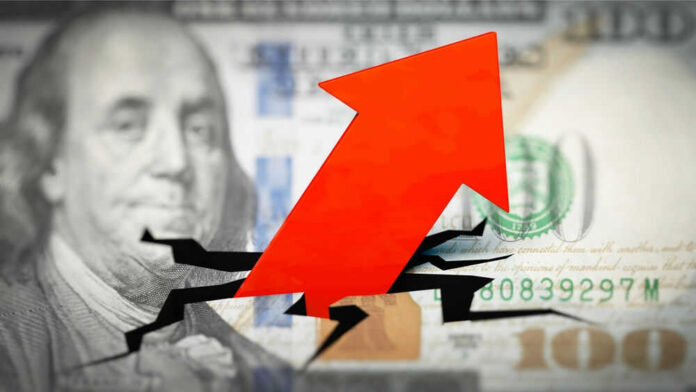
Gasoline prices skyrocketed from roughly $2.97 per gallon to $4.52 nationally since hostilities with Iran closed the Strait of Hormuz, according to AAA data. That 52 percent increase translates to consumers spending half again as much to fill their tanks. Trump confirmed his proposal during a CBS News interview, describing the suspension as temporary relief until prices drop when the war ends.
Energy Secretary Chris Wright endorsed the plan days earlier on NBC’s Meet the Press, signaling administration coordination on the politically popular move heading into Memorial Day weekend travel.
The federal government collects 18.4 cents per gallon through the gas tax, last raised in 1993 under the Omnibus Budget Reconciliation Act. This revenue streams directly into the Highway Trust Fund, financing roads and bridges across America. Republicans controlling Congress moved with unusual speed, announcing bills to support Trump’s proposal almost immediately after his comments went public.
Democrats pointed out they had floated similar ideas months earlier, though their proposals never gained traction when fuel prices sat lower and no military conflict loomed.
States Jump Ahead of Washington
Georgia, Indiana, and Utah already implemented their own gas tax suspensions without waiting for federal action. Nine additional states including Alabama, Arizona, Connecticut, Florida, Maryland, New York, Pennsylvania, and South Carolina are actively considering similar measures.
State governors wield executive authority over their own fuel taxes, allowing them to bypass legislative delays that bog down federal initiatives. Georgia previously suspended its 30.3-cent state tax during 2022 inflation spikes, establishing precedent for emergency relief when pump prices squeeze household budgets beyond tolerance thresholds.
Trump Says He Supports Suspending Gas Tax
With gas prices surging 50 percent since the start of the war in Iran, Trump told CBS News on May 11 that stopping excise taxes would be a "great idea."
"Yup, we're going to take off the gas tax for a period of time, and when gas goes… pic.twitter.com/FVV2fdkcU7
— NTD (@NTD_Live) May 11, 2026
The contrast between state and federal responses highlights structural differences in governance. States can act unilaterally through executive orders while federal suspension requires congressional legislation and presidential signature.
This explains why drivers in three states already enjoy lower prices while Americans elsewhere wait for Washington’s wheels to turn. Trump framed his proposal as bridging that gap, promising to phase the tax back in once prices normalize after the war concludes, which he predicted would happen within weeks.
The Infrastructure Funding Dilemma
Suspending the federal gas tax would drain approximately $500 million weekly from highway funding, totaling around $2 billion monthly according to transportation estimates. The Highway Trust Fund already operates under fiscal strain, with infrastructure groups warning that revenue losses could delay critical construction projects nationwide.
Trump dismissed these concerns by characterizing the tax as a small percentage that nonetheless represents real money for struggling Americans. His calculation weighs immediate voter relief against longer-term infrastructure consequences, a classic tradeoff between competing policy priorities during crisis conditions.
Critics note that even full suspension would only reduce pump prices by roughly 18 cents per gallon, dropping the national average from $4.52 to approximately $4.34. That modest decrease pales against the 52 percent war-driven spike, raising questions about whether the economic benefit justifies the fiscal cost.
Proponents counter that every bit helps consumers facing cumulative inflation pressures, and that truckers and farmers hauling goods would see magnified savings from high-volume fuel purchases. The debate ultimately turns on whether temporary relief matters more than sustained infrastructure investment.
Political Calculus Behind the Proposal
Trump’s gas tax suspension arrives as Republicans seek to demonstrate responsiveness during a military conflict that disrupted global energy markets. The proposal offers tangible action onocketbook issues while the administration pursues military and diplomatic solutions to restore oil flows through the Strait of Hormuz.
Congressional Republicans lined up behind Trump with remarkable unity, recognizing the political appeal of tax relief regardless of its modest economic impact. This coordination between the White House and Capitol Hill reflects lessons learned from past failures to deliver on campaign promises.
Democrats find themselves in the awkward position of having proposed similar measures earlier without Republican support, only to watch the GOP embrace the concept under Trump’s leadership. Their criticism that Republicans are copying Democratic ideas rings hollow to voters focused on immediate relief rather than partisan credit-claiming.
The irony underscores how war and crisis reshape political incentives, making previously unpopular ideas suddenly viable when circumstances change and public pressure intensifies beyond normal partisan boundaries.
Common Sense Assessment
Trump correctly identifies that Americans need relief from war-driven energy costs, and suspending the gas tax represents one available tool. The 18-cent reduction seems modest against $4.52-per-gallon prices, but fiscal responsibility matters less than symbolic action during wartime economic strain for many voters.
States demonstrating they can act independently without federal permission highlights the value of federalism and local control. The real question centers on how long this war continues, because temporary suspensions become permanent budget holes if conflict drags beyond Trump’s predicted timeline.
The Highway Trust Fund concern deserves serious attention despite being less politically sexy than pump price relief. America’s infrastructure already suffers from decades of deferred maintenance, and diverting $2 billion monthly from roads and bridges carries long-term consequences.
Congress could offset this revenue loss through general fund transfers, but that simply shifts the fiscal burden rather than eliminating it. The most conservative approach would tie suspension duration directly to measurable war progress, ensuring the tax holiday truly remains temporary rather than becoming another indefinite government program.
Sources:
Trump in favor of suspending federal gas tax as Iran ceasefire remains in limbo