
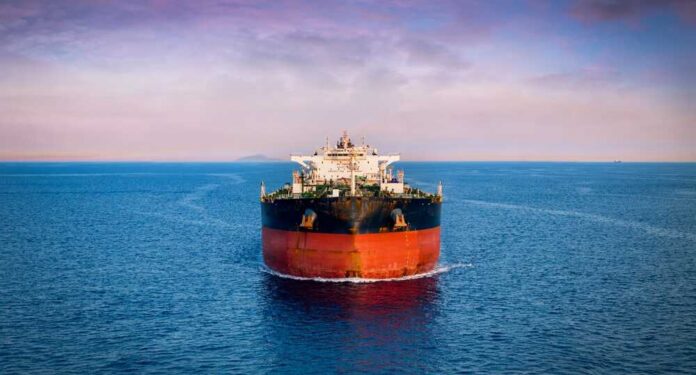
The United States cut off Iran’s oil sales waiver hours after missiles hit three Gulf tankers, turning a cease-fire into a countdown.
Story Snapshot
- U.S. revoked Iran’s oil waiver after tanker attacks in the Strait of Hormuz.
- Central Command called Iran’s actions dangerous and a cease-fire violation.
- Treasury blocked new Iranian oil deals after July 7 with a short grace period.
- President Trump said the conflict is over and tied the move to Iran’s aggression.
What Changed: From Waiver to Wall in One Afternoon
The administration ended the 60-day sanctions waiver that let limited Iranian oil and petrochemical sales flow after the tanker attacks. The New York Times reported the revocation landed right after three tankers linked to Saudi Arabia and Qatar were hit, linking policy to the strikes’ timing.
The Treasury Department then told traders no new sales after July 7 and allowed only a brief grace period to wind down positions, a hard stop that closed back doors fast.
U.S. Central Command said Iran’s attacks were unwarranted, dangerous, and broke the cease-fire. That language matters because it frames the legal and military logic for follow-on actions. It sets a clear red line in the Strait of Hormuz, the world’s most fragile oil lane.
The message to shippers and insurers is simple: risk premiums go up when missiles fly, and they go down when the shooter pays a price.
The White House Case: Punish Bad Acts, Reward Good Behavior
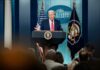
President Trump declared the conflict over and tied the oil cutoff to Iran’s actions. He did not seek new approval from Congress, arguing the strikes and sanctions response were justified by Iran’s attacks. A U.S. official said Iran will only gain benefits if it shows good behavior.
That carrot-and-stick logic matches common sense: deterrence works when bad choices get fast, painful results.
BREAKING: President Trump confirmed the U.S. launched what he called “very powerful” retaliatory strikes against Iran after the regime fired rockets at ships, warning that any future attacks would be met with overwhelming force.
“We attacked very powerfully last night,” Trump… pic.twitter.com/xmGDV1IUlw
— Breaking911 (@Breaking911) July 8, 2026
The Hill and Bloomberg both tracked the sequence: tankers hit, U.S. strikes, waiver revoked, and enforcement instructions to markets.
That chain signals leverage with teeth, not talk. It also trims Iran’s cash flow right when it needs funds to project force. Dollars not earned cannot buy drones, missiles, or the fuel to move them. That point lands with traders who watch cargo flows like hawks.
Evidence Gap vs. Action Bias: What We Know and What We Don’t
The public record lacks released forensic proof that pins these specific shots on Iran. No missile fragments, radar tracks, or satellite images have been shown so far. That gap leaves room for critics to say the case rides on statements, not exhibits.
Still, Central Command’s assessment and the rapid policy swing show high confidence inside government, backed by intelligence the public may not see right away.
Scripps News reported that strike targets in Iran were hit, but details on which assets took damage have not been confirmed. The President’s speech also offered no new evidence or an endgame plan. That vagueness invites pushback at home and abroad, especially from those who want chain-of-custody proof.
Markets do not wait for perfect clarity; they price risk now and correct later. Washington moved first to shape those prices and the next choices in Tehran.
Competing Claims: Iran’s Denial and the Strait of Hormuz Showdown
Iran’s officials denied blame and said others aimed to wreck its ties abroad. Iranian state media also claimed ships must coordinate with Tehran in the Strait and hinted a U.S.-backed corridor drew fire. Those points seek to shift the frame from evidence to sovereignty.
The U.S. and partners view the strait as an international waterway. That clash of claims is not new, but the oil cutoff raises the cost of testing the lane again.
US reinstates sanctions on Iranian oil sales after LNG, oil tanker attacks
WASHINGTON, July 7 (Reuters) – The United States on Tuesday re-imposed sanctions on Iranian oil, as a U.S. official warned that Iran's attacks on vessels in the Strait of Hormuz were "wholly… pic.twitter.com/7yixo2bstE
— Divine Oreoluwa (@Divine_Oreoluwa) July 8, 2026
Policy should pass the kitchen table test. If someone takes a swing at your family business, you stop their cash and secure the route. The revocation does that. It also keeps the pressure narrow: no new Iranian oil deals, quick wind-down, and a warning shot across the Gulf.
More public evidence would strengthen the case and blunt foreign second-guessing. Until then, deterrence must speak plainly, and sanctions must bite where it hurts most—the revenue stream.
Sources:
cnbc.com, thehill.com, bloomberg.com, en.wikipedia.org