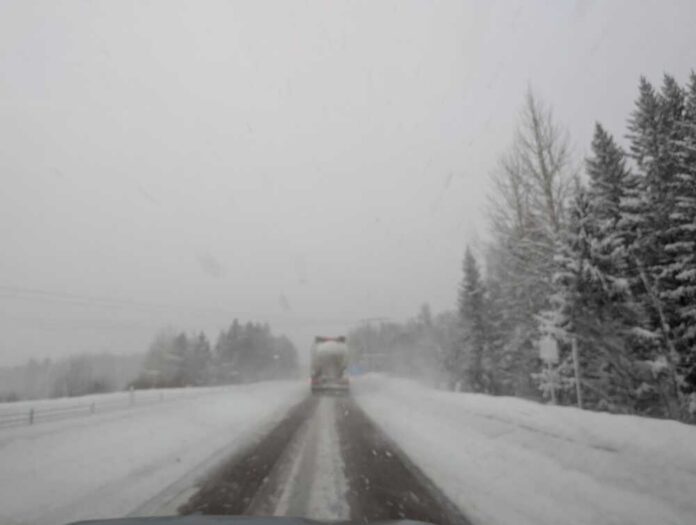
At least 30 Americans have died as a catastrophic winter storm unleashes record-breaking Arctic cold and crippling ice across two-thirds of the nation, exposing how vulnerable our infrastructure remains to nature’s fury while citizens battle deadly conditions that meteorologists warn could persist longer than any cold snap in decades.
Story Snapshot
- Death toll reaches 30-50 confirmed as frigid temperatures and ice devastate 200 million Americans across multiple states
- Southern states hit hardest by unusual ice storm, leaving over 400,000 without power in Tennessee, Mississippi, Louisiana, and Texas
- Temperatures plunge 15-25°F below normal with dangerous wind chills, hypothermia deaths mounting, and another Arctic blast looming
- Governors tour damage as warming centers shelter hundreds while infrastructure strains under ice accumulation and prolonged cold
Deadly Storm Strikes Nationwide
The massive winter storm swept across North America over the weekend into Monday, January 25-26, dumping one to two feet of snow from Texas to Maine while coating southern states with destructive ice. National Weather Service reports confirm the system affected approximately 200 million people, making it one of the most expansive winter events in recent memory.
Fatalities climbed rapidly, with confirmed deaths ranging from 30 to 50 depending on reporting timelines, caused primarily by hypothermia, traffic accidents, and storm-related incidents. Louisiana reported eight deaths including five from hypothermia, while Mississippi confirmed two fatalities amid 300,000 power outages.
Winter storm: brutal cold. At least 32 dead; ~220M under alerts. Pray for safety, crews restoring power, and neighbors without heat. ❄️🧊https://t.co/0aipg43I76#WinterStorm #Pray pic.twitter.com/irLFXQM7qB
— KLTT 670AM, The Truth (@kltt670) January 28, 2026
Southern States Face Unprecedented Ice Devastation
The storm’s most distinguishing characteristic is its catastrophic impact on southern states unaccustomed to such severe winter weather. Ice accumulation snapped power lines and trees across Louisiana, Mississippi, Tennessee, and Texas, leaving more than 400,000 customers in darkness as of January 27-28.
Louisiana Governor Jeff Landry toured the damage by helicopter on January 27, surveying widespread destruction across his state. Tennessee officials reported over 400 people seeking refuge in warming centers in Nashville alone, with two suspected deaths during outages.
Schools and universities throughout northern Louisiana remained closed through January 30 as restoration efforts continued amid hazardous conditions and lingering threats.
According to CBS News, dozens of people across multiple states have been confirmed dead after a powerful winter storm swept through large parts of the country https://t.co/e7DJ07wYWv
— WCBI News (@WCBINews4) January 28, 2026
Historic Cold Snap Grips Eastern United States
Temperatures plummeted to dangerous levels, with Michigan recording lows of -19°F in Grand Rapids and -24°F in Flint on January 24, matching records from 1994. A 19-year-old college student was found dead from exposure in Ann Arbor before the storm’s full impact hit.
CBS meteorologist Nikki Nolan warned the cold could represent the longest duration of extreme temperatures in decades, with readings 15-25°F below normal persisting through Thursday.
Wind chills around New York City ranged from -15°F to 5°F, prompting extreme cold alerts. NYC Mayor Zohran Mamdani reported 10 deaths in the city, though not all were confirmed at the time of announcement.
Infrastructure Failures Expose Preparedness Gaps
The storm revealed serious infrastructure vulnerabilities, particularly in southern regions where ice-related damage overwhelmed power systems. Utilities struggled to restore service as ice-coated lines and fallen trees blocked access to damaged equipment.
Transportation networks collapsed under the assault, with North Carolina reporting over 400 accidents and major interstate closures along I-26 and I-85.
Tennessee documented 160-plus crashes and recorded 46 cases of carbon monoxide poisoning among children, highlighting dangers faced by families using improper heating methods during outages.
Emergency services were stretched thin responding to mounting casualties and hazardous conditions. This infrastructure strain raises concerns about preparedness for extreme weather events that increasingly threaten American communities.
Additional Arctic Blast Threatens Further Danger
Meteorologists warn that another surge of Arctic air is approaching, bringing additional snowfall to the Northeast and potential for a rapidly intensifying bomb cyclone over the weekend. Lake-effect snow warnings remain active through Thursday near Buffalo, where one to two feet already blanketed the region.
The National Weather Service cautioned that wind chills could drop well below zero degrees Fahrenheit with the incoming system. Power restoration efforts face additional setbacks as new precipitation threatens already damaged infrastructure.
Vulnerable populations, including the elderly, children, and low-income residents in mobile homes, remain at heightened risk. This prolonged assault of dangerous cold and precipitation underscores nature’s power to disrupt modern life despite technological advances.
Sources:
Death toll rises to 30 as freezing temperatures batter the US – Euronews
Dozens confirmed dead as extreme cold continues to grip large part of U.S. – CBS News
January 2026 North American winter storm – Wikipedia
Winter storm live updates: Tracking dangerous ice, snow – ABC News