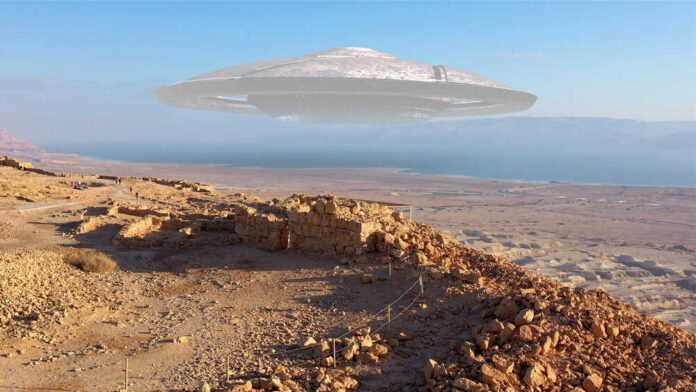
The death of Erich von Däniken marks the end of an era for one of the most influential—and scientifically problematic—figures in modern popular culture, whose “ancient astronaut” theories captivated millions while misleading them about genuine archaeological achievements.
Story Overview
- Erich von Däniken died January 10, 2026, at age 90 in Switzerland
- His 1968 book “Chariots of the Gods?” sold over 70 million copies worldwide despite being dismissed as pseudoscience
- Created the modern “ancient aliens” industry that continues to spread misinformation about historical civilizations
- Academic critics argue that his theories implicitly dismissed non-Western peoples’ ability to build monuments independently
The Pseudoscience Pioneer’s Final Chapter
Erich von Däniken recently passed away, closing the book on a controversial career that transformed fringe speculation into a multimedia empire.
Born April 14, 1935, in Switzerland, von Däniken worked as a hotel manager before writing “Chariots of the Gods?” in 1968. The book proposed that ancient monuments, myths, and religions reflected visits by extraterrestrial beings mistaken for gods by primitive peoples.
🚨Erich von Däniken Dead (1935–2026): The Man Who Asked If the Gods Were Astronauts
Erich von Däniken, the Swiss author who ignited global debate over ancient astronauts and extraterrestrial influence on human history, has died at age 90.
His 1968 bestseller Chariots of the… pic.twitter.com/zKCU6mDlbq— Skywatch Signal (@UAPWatchers) January 11, 2026
His theories gained massive popularity during the late 1960s space-age fascination, coinciding with the Apollo program and widespread UFO interest.
Despite lacking formal training in archaeology or ancient languages, von Däniken built his reputation by visiting archaeological sites and proposing speculative interpretations that directly contradicted established academic research.
Commercial Success Despite Scientific Rejection
Von Däniken’s publishing empire demonstrated how sensational claims could triumph over scholarly evidence in the marketplace.
His books sold tens of millions of copies in over 30 languages, generating substantial revenues for publishers who prioritized commercial appeal over factual accuracy. The success continued through documentaries, television series, and lecture tours across multiple decades.
Academic archaeologists and historians consistently rejected his claims as pseudoscience, pointing to factual errors and misrepresentations of evidence.
Professional researchers argued that his theories promoted harmful stereotypes, suggesting ancient civilizations—particularly in the Global South—lacked the capability to construct complex monuments without extraterrestrial assistance. This criticism highlighted the ethnocentric assumptions underlying the “ancient astronaut” narrative.
Lasting Damage to Public Understanding
The author’s legacy extends far beyond book sales, having spawned an entire industry of “ancient aliens” content that continues to mislead audiences about human history.
His influence directly inspired countless documentaries, television shows, and successor authors who perpetuate similar unfounded claims. Popular destinations like the Nazca Lines and the Egyptian pyramids remain associated with alien-visitations theories rather than genuine archaeological understanding.
Von Däniken’s death transitions him from living spokesman to mythic figure within alternative history circles, potentially solidifying rather than diminishing his problematic influence.
Science educators and archaeologists face the ongoing burden of correcting misconceptions that his work embedded in popular culture. His career serves as a cautionary tale about how charismatic storytelling can overshadow rigorous scholarship in shaping public beliefs about our past.
Sources:
Biography – Erich von Däniken Official Website
Erich von Däniken, Swiss writer who spawned ‘alien archaeology,’ dies at 90 – ABC News
Chariots of the Gods? – Wikipedia
Erich von Däniken obituary – The Telegraph