Nestlé’s voluntary recall of infant formula over a dangerous toxin raises alarms about foreign food safety standards endangering vulnerable American families who rely on global supply chains.
Story Snapshot
- Nestlé recalled select batches of NAN Stage 1 infant formula in Ireland due to potential cereulide toxin contamination, which causes severe vomiting in babies.
- The Food Safety Authority of Ireland issued the alert on January 5, 2026, urging immediate removal from supermarkets.
- No illnesses reported yet, but the heat-stable toxin survives processing, highlighting risks in powdered formulas.
- This follows Nestlé’s pattern of European recalls amid post-2022 global scrutiny on infant nutrition safety.
Recall Details Emerge
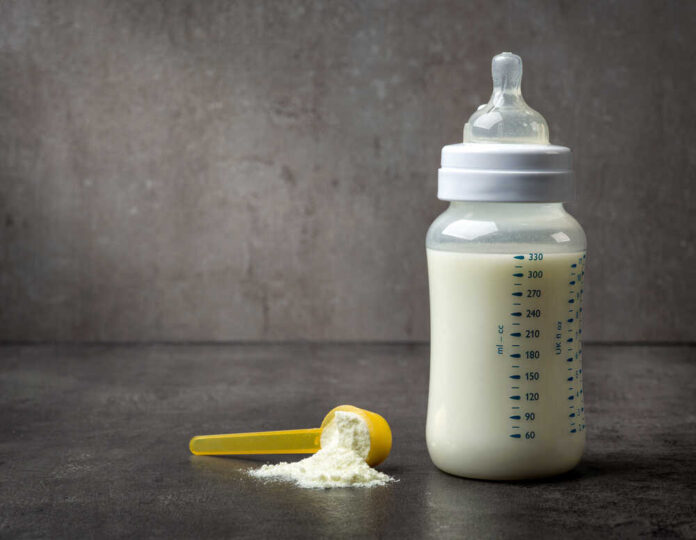
Nestlé initiated a voluntary recall of specific NAN Stage 1 batches sold in Irish supermarkets. The Food Safety Authority of Ireland announced the action on January 5, 2026. Concerns center on possible contamination with cereulide, a toxin from Bacillus cereus bacteria.
This emetic toxin induces nausea and severe vomiting, posing acute risks to infants. Retailers removed products from shelves promptly. Consumers received instructions to discard affected items immediately. The move underscores precautionary steps amid testing uncertainties.
Food producer Nestle said it was recalling specific batches of its SMA infant formula and follow-on formula due to the potential presence of a toxin that could lead to nausea, vomiting and abdominal cramps https://t.co/psD7AWvhgX
— Reuters (@Reuters) January 6, 2026
Toxin Threat to Infants
Cereulide stands out as a heat-stable toxin that endures pasteurization and drying in formula production. Unlike live bacteria, it persists in powdered form, activating upon rehydration. Food safety experts note its difficulty in detection, similar to botulism challenges in prior cases.
Infants face heightened vulnerability due to immature immune systems. The recall targets Europe, specifically Ireland, but echoes global formula volatility since 2022 U.S. shortages. Parents must verify batch numbers against official lists to protect newborns.
Nestlé frames the recall as precautionary with no confirmed illnesses as of January 6, 2026. The company confirmed no other products affected. This aligns with prior NAN Stage 1 recalls in Europe for contamination risks.
Detection likely stemmed from routine testing, prompting FSAI intervention. Nestlé’s quality assurance teams scoped the action to limit impact. The incident reinforces calls for stricter microbial controls in dry formulas worldwide.
Stakeholders Respond
Nestlé, as manufacturer, leads the voluntary effort to shield brand reputation and avoid liability. FSAI enforces public warnings, prioritizing infant health in Ireland. Supermarkets comply by pulling batches, mitigating legal exposure. Regulators hold enforcement power, while Nestlé cooperates for market continuity.
EU bodies may broaden oversight. Decision-makers include Nestlé executives and FSAI officials. This dynamic highlights collaborative crisis management in food safety.
Low-income families dependent on NAN face supply disruptions and access challenges. Short-term parental anxiety mounts without alternatives. Long-term, Nestlé may reformulate to combat Bacillus cereus.
Economic costs hit the company through disposal and refunds. Social trust in formula erodes amid breastfeeding discussions. Politically, EU faces pressure for advanced toxin testing. The event parallels ByHeart’s 2025 U.S. botulism recall, signaling industry-wide trends.