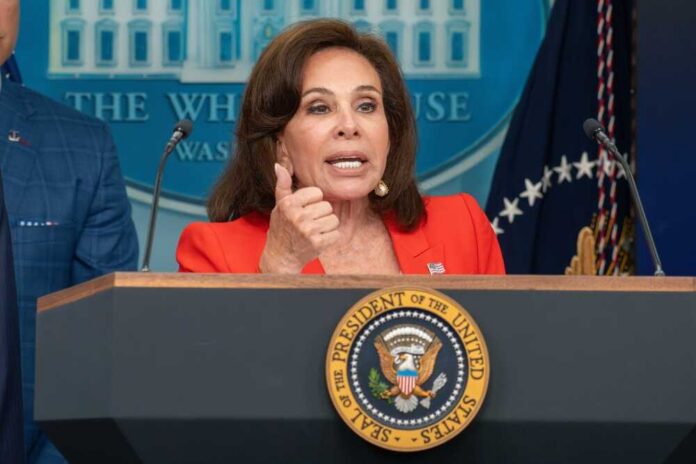
President Trump’s fight with Jeanine Pirro over the Reflecting Pool case is really a battle over who gets to define reality first.
Story Snapshot
- Trump publicly said Pirro “made a mistake” by dropping the Reflecting Pool case and insisted the damage was vandalism.
- Pirro’s office later said newly reviewed Interior Department documents pointed to a flawed installation, not intentional damage.
- Interior Secretary Doug Burgum backed the vandalism theory, adding fuel to an unusual split inside the administration.
- The case was dismissed by motion, not decided at trial, so the public fight remains tied to competing government explanations.
What Trump Said, and Why It Landed
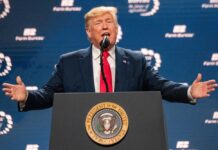
President Trump used an Oval Office appearance to attack Pirro’s decision and call the dismissal a mistake. He said he disagreed “100%” with her and argued that vandals, not contractors, caused the damage to the Lincoln Memorial Reflecting Pool.
That blunt language matters because Trump was not speaking in riddles or in private. He was making a public claim about a public case, and he did it while standing beside the man who now leads the Justice Department’s political chain of command, not a judge. That gives the moment more political force than legal weight. The courtroom never got to settle the issue on the merits.
Why Pirro Dropped the Charges
Pirro’s office said the government had learned after the indictment that the damage came from a botched installation and rushed work, not vandalism.
Reports said prosecutors pointed to additional Interior Department documents and said those records changed the picture after the case was already filed. That explanation is the heart of the counterargument: the government says it did not invent a new story; it corrected an old one.
🚨🚨NEWS: President Trump excoriates US Attorney for DC Jeanine Pirro for dismissing the reflecting pond vandalism case. "She choked. She folded like an umbrella." 👇🏼 pic.twitter.com/GJa2J3ZIZR
— Plein Crazy (@PleinCrazy) August 3, 2026
The filing also said that if the Interior Department had shared the relevant information sooner, prosecutors would not have sought the indictment.
That is a serious claim because it shifts the blame from the courtroom to the paperwork trail. It suggests the case did not collapse because the evidence was weak in open court. It collapsed because the government says it learned facts late.
The Split Inside Trump’s Own Team
The dispute got louder when Interior Secretary Doug Burgum publicly backed the vandalism theory and said he had provided “expert and eyewitness testimony” about damage done by vandals.
That put two senior administration voices on opposite sides of the same event. Burgum sounded like he was defending the original prosecution story. Pirro sounded like she was pulling it apart.
Yes, this is true. Multiple major news outlets reported in early August 2026 that President Trump publicly criticized U.S. Attorney for the District of Columbia Jeanine Pirro (a longtime ally he appointed) over her office’s decision to drop charges related to alleged vandalism at… https://t.co/vAST2HEpVC
— Mike Horan (@mikehoran1158) August 4, 2026
That split is why the story feels bigger than one dropped case. It shows how quickly a technical dispute can turn into a loyalty test. Supporters of Trump may see Pirro’s reversal as weakness or hesitation.
Critics may see Trump’s attack as pressure on an ally who changed course after new facts came in. Both reactions are understandable, but they rest on different trust in the same government.
What the Record Does and Does Not Show
The available reporting supports two facts at once: prosecutors first charged vandalism, then later sought dismissal after saying new records pointed to flawed installation.
What the record does not show is a trial verdict, a judge’s finding, or a full public release of every underlying project document. So neither side can honestly claim a courtroom win. This is still a government argument about causation, not a settled legal finding.
That is why Trump’s attack on Pirro feels so sharp. He is not just defending a theory about paint and damage. He is defending the idea that the original story was right and the later reversal was wrong.
Pirro, by contrast, is saying the later documents changed the case so much that continuing would have been unjustified. The public is left choosing between the first story and the corrected one.
Sources:
youtube.com, nytimes.com, nbcnews.com, theguardian.com, pbs.org, wsj.com