
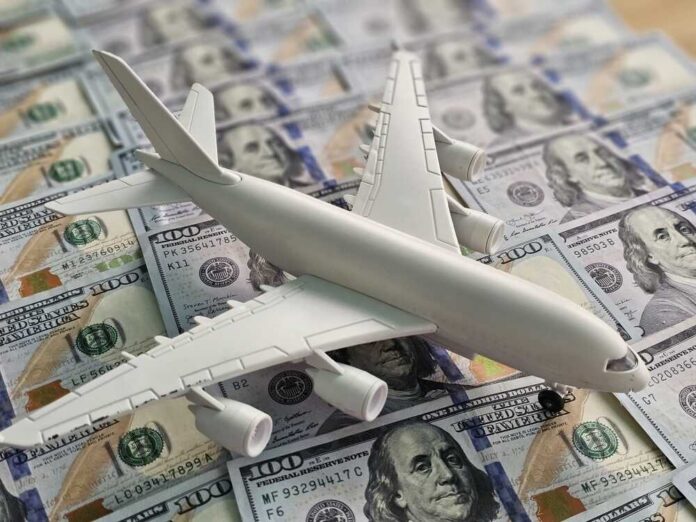
JetBlue again raised checked-bag prices and pointed to rising fuel and operating costs as the reason.
Story Snapshot
- JetBlue raised first- and second-bag fees, with higher peak and same-day prices.
- The airline tied the move to fuel and operating costs in a public statement.
- Earlier 2026 hikes also cited higher costs while keeping fares competitive.
- Cardholders and elite members still get bag exemptions in many cases.
JetBlue’s New Bag Prices And The Stated Reason
JetBlue increased checked-bag fees and said the change will help cover rising fuel and operating costs. The first checked bag now costs $50 if paid more than 24 hours before a flight on non-peak dates, and $55 in peak periods. Same-day prices are higher, at $60 and $70. These new prices mark another step up from earlier 2026 levels. JetBlue framed bags as an optional service and noted that some customers still qualify for free checked bags.
USA TODAY and CNBC both quoted the airline’s statement linking the move to fuel and operating expenses. That message tracks with how airlines now price travel: keep the headline fare tight, then charge for extras. The approach spreads costs to the customers who use those extras. It also lets the carrier nudge demand with higher fees during peak times. Whether a traveler pays more depends on when they buy and what status or card they hold.
How This Fits The Airline Fee Playbook
Airlines shifted to unbundled pricing in the late 2000s, and baggage fees became a core money maker across the industry. Research shows these add-on fees grew fast and now make up a key share of revenues, especially for low-cost carriers. This model helps airlines match price to use and manage costs tied to bags, like fuel burn and ground handling. Academic work shows carriers rely on these fees to balance rising costs without lifting base fares across the board.
JetBlue’s move also aligns with demand management. Higher peak fees push some travelers to pack lighter or pay earlier. That reduces handling stress and can cut costs. It also keeps the fare on the search page low, which draws clicks. Many customers compare ticket prices first and only see bag costs later. That sequence favors unbundled models and explains why airlines return to this lever when costs climb.
What Travelers Actually Pay Now
Travelers who check a first bag more than 24 hours before a non-peak flight face a $50 fee; during peak dates it is $55. Buying within 24 hours raises the cost to $60 and $70. Second-bag prices follow the same pattern. Customers with the airline’s co-branded credit card or elite status often still get a free bag. That gives frequent flyers and loyal customers a clear path to avoid the increases.
JetBlue just raised baggage fees for the third time in a year, and it is a stark reminder of how geopolitical instability hits our wallets. With jet fuel costs nearly doubling since the conflict in İran began in February, airlines are aggressively shifting the burden to…
— Hüseyin Örskaya (@orskyai) November 3, 2026
In March 2026, the airline raised the first-bag fee from at least $35 to $39. The airline said then it was handling “rising operating costs” while keeping base fares competitive. The November action continues that cost-recovery theme and uses peak pricing to target periods when flights are fullest, and fuel burn per flight is most valuable to cover. That is consistent with how airlines try to match fees with pressure points in their budgets.
What This Signals For Flyers And For The Market
Travelers who check bags should expect higher trip totals unless they qualify for exemptions. Loyal customers and cardholders keep more value, which strengthens the airline’s loyalty and card business. That fits a common industry pattern: shift more value to those inside the ecosystem. For everyone else, the message is simple—pack less, pay early, or pay more. Other carriers often follow when one large player moves first on a well-worn fee lever.
Where Common Sense Lands On The Rationale
Rising fuel and operating costs give airlines limited choices: raise fares for all or raise fees for users of extras. Targeted fees align with a market approach that prizes choice and transparency at the point of purchase. That approach matches conservative values of user-pays and smaller cross-subsidies. The claim that fuel costs drove the timing and size of this increase rests on the airline’s statements and the industry’s fee logic, both of which fit the facts reported here.
Sources:
cnbc.com, usatoday.com, cbsnews.com, nbcnewyork.com